
March 25, 2026
Hardwood Floor Subfloor Preparation: What Homeowners Need to Know
Hardwood floors are often judged by what you can see—the finish, the color, the grain. But what most homeowners don’t realize is that what’s underneath your flooring plays an equally important role in how well it performs over time.
If your subfloor isn’t properly prepared, even the highest-quality hardwood installation can develop problems much sooner than expected.
What Is a Subfloor?
A subfloor is the structural layer beneath your hardwood flooring. It provides the foundation that supports everything above it. In most homes, this is either plywood, oriented strand board (OSB), or concrete.
Each type of subfloor behaves differently, especially regarding moisture and movement. That’s why proper evaluation before a hardwood floor installation is critical.
Common Subfloor Issues That Affect Hardwood Floors
Even if your existing floors look fine, hidden subfloor problems can lead to noticeable issues after new flooring is installed.
Moisture Imbalance
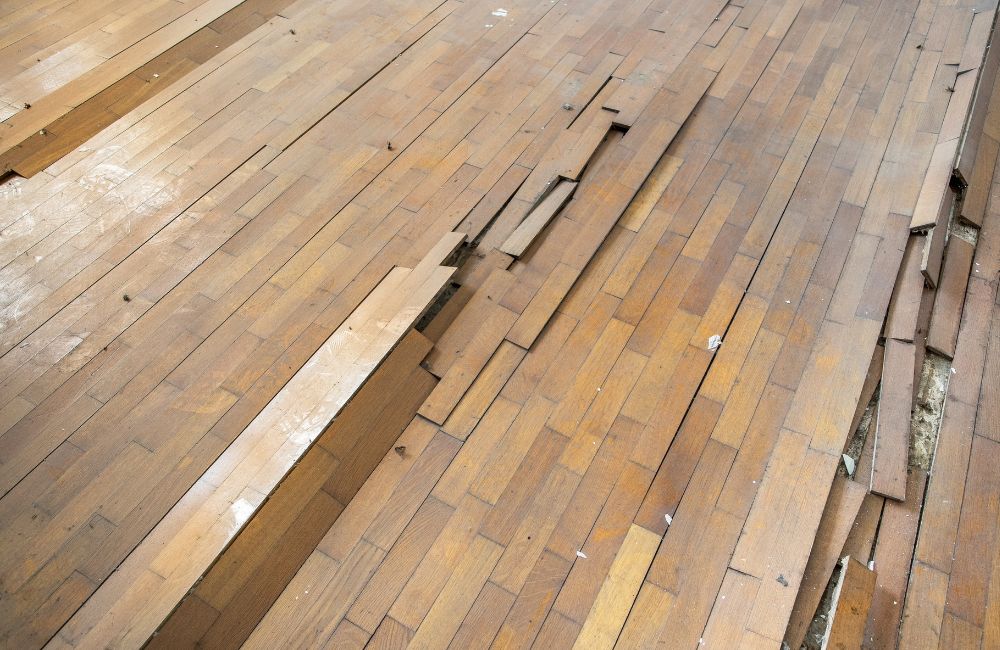
Excess moisture in a subfloor can cause hardwood planks to expand, cup, or warp. This is especially common with concrete subfloors or homes without proper moisture barriers.
Uneven Surfaces
Small dips or high spots in the subfloor can prevent boards from sitting flat. Over time, this leads to movement, gaps, or squeaking.
Structural Weakness
If the subfloor or joists underneath have any flex, your hardwood flooring may shift under pressure, reducing its lifespan and stability.
How Subfloor Problems Show Up Over Time
When subfloor issues aren’t addressed early, they tend to show up in ways homeowners don’t expect.
You might notice:
- Persistent squeaking or creaking
- Gaps forming between boards
- Uneven wear patterns
- Sections of flooring that feel soft or unstable
In many cases, these problems are blamed on the flooring itself, when the real issue lies underneath.
When Subfloor Repair Is Necessary
Before installing new hardwood floors, professionals evaluate whether the subfloor needs repairs or adjustments.
This can include leveling uneven areas, reinforcing weak sections, or addressing moisture concerns. Skipping these steps can lead to costly repairs later—even requiring premature hardwood floor refinishing or replacement.
Why Proper Preparation Makes All the Difference
A well-prepared subfloor allows hardwood flooring to perform the way it’s supposed to—stable, quiet, and long-lasting.
Taking the time to address what’s beneath the surface ensures that your investment not only looks great on day one but continues to perform for years to come.
Room-by-Room Hardwood Flooring Strategy: Where It Works Best
Hardwood flooring is one of the most popular choices for homeowners—but that doesn’t mean it’s the right option for every space.
Understanding where hardwood performs best (and where it may need extra consideration) can help you make smarter decisions before starting your next project.
Living Rooms and Open Spaces
Living rooms, great rooms, and open-concept layouts are some of the best places for hardwood flooring.
These areas benefit from the natural look and durability of wood, and continuous flooring can create a seamless, cohesive design throughout the home. This is often where a professional hardwood floor installation makes the biggest visual impact.
Kitchens: Balancing Style and Function
Hardwood flooring in kitchens has become more common, but it comes with a few considerations.
Spills, moisture, and heavy foot traffic can affect the finish over time. Choosing the right protective coating and properly maintaining it are key to preventing damage that could eventually require hardwood floor refinishing.
Bedrooms: Comfort and Warmth
Bedrooms are ideal for hardwood flooring if you’re looking for a clean, low-maintenance surface.
They experience less traffic than other areas, which helps preserve the finish. Many homeowners also appreciate the warmth and simplicity wood brings compared to carpet.
Hallways and High-Traffic Areas
Hallways and entryways see some of the highest foot traffic in the home.
In these areas, durability matters. The type of finish and routine maintenance play a major role in how well the flooring holds up over time. Planning can help minimize wear and extend the life of your floors.
Basements: Proceed with Caution
Basements present unique challenges for hardwood flooring due to higher moisture levels.
Traditional solid hardwood is often not recommended in these environments. If hardwood is considered, it requires careful evaluation of moisture conditions and proper preparation to avoid long-term issues.
Bathrooms: Understanding the Risks
Bathrooms are one of the most challenging spaces for hardwood flooring.
Frequent exposure to water and humidity increases the risk of damage. While some homeowners still choose wood for aesthetic reasons, it requires extra care and realistic expectations about maintenance and longevity.
Making the Right Choice for Your Home
Hardwood flooring can be a great investment—but only when it’s used in the right places and installed correctly.
Taking a room-by-room approach helps ensure that your flooring not only looks great but performs well in each space. With the right planning and professional guidance, you can get the most out of your hardwood floors throughout your home.