
April 8, 2026
Hardwood Floor Wear Patterns: Causes & Prevention
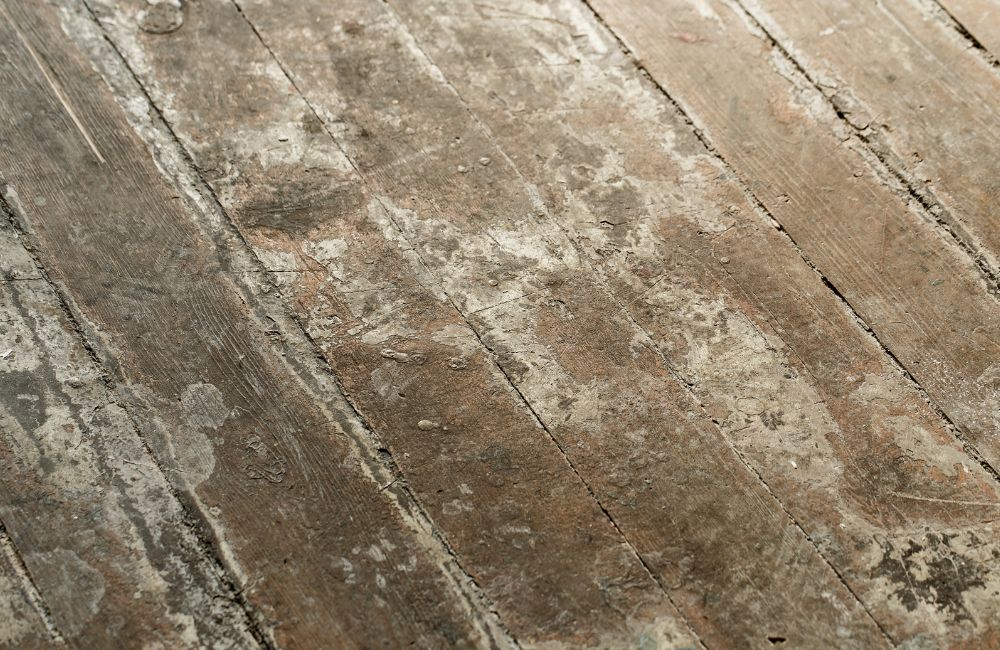
Hardwood floors are built to last, but they don’t always wear evenly. Over time, many homeowners notice fading, scratches, or dull areas in certain parts of the home while other sections remain untouched. These differences are known as hardwood floor wear patterns, and they develop based on how each space is used.
Understanding hardwood floor wear patterns helps you prevent uneven aging and extend the life of your flooring. Everyday factors like foot traffic, sunlight, and furniture placement all play a role in how your floors hold up over time.
What Causes Hardwood Floor Wear Patterns?
Several everyday factors contribute to hardwood floor wear patterns, most of which are unavoidable but manageable.
Foot traffic is one of the biggest causes. Areas where people walk the most—like hallways and living rooms—naturally wear down faster. Over time, repeated movement breaks down the protective finish.
Sunlight exposure is another major factor. UV rays can unevenly lighten or darken hardwood, especially near windows and glass doors.
Furniture also plays a role. Heavy items can compress wood slightly, while chairs and frequently moved furniture can create scratches.
In many cases, long-term wear can be reduced by starting with proper techniques outlined in a hardwood floor installation guide, which helps ensure the flooring is set up for durability from the beginning.
Common Hardwood Floor Wear Patterns in Homes
Most homes develop similar types of hardwood floor wear patterns over time.
Traffic Paths
Visible walkways are common in high-traffic areas like hallways and living rooms.
Sun Fading
Floors near windows may fade unevenly compared to covered areas.
Furniture Wear
Dining chairs and office furniture can cause scratches and dents from repeated movement.
Entryway Damage
Dirt and debris tracked indoors can wear down finishes quickly near entrances.
Recognizing these hardwood floor wear patterns early allows you to take action before they worsen.
How Furniture Placement Affects Hardwood Floor Wear Patterns
Furniture placement is one of the most overlooked contributors to hardwood floor wear patterns.
Heavy furniture can compress the flooring over time, especially if left in the same position for years. Meanwhile, chairs and movable furniture create repeated friction that wears down the surface.
Rugs can help protect flooring while also creating contrast. Areas under rugs stay in better condition, while exposed sections wear faster, leading to an uneven appearance.
Even small layout decisions can significantly impact how your floors age.
How to Prevent Uneven Hardwood Floor Wear Patterns
You can reduce hardwood floor wear patterns with simple, proactive steps.
- Rotate furniture and rugs regularly
- Use felt pads under furniture legs
- Add rugs or runners in high-traffic areas
- Clean frequently to remove dirt and debris
Consistent care plays a major role in prevention, and following proven hardwood floor maintenance tips can help minimize surface damage and extend the life of your floors without major repairs.
When Hardwood Floor Wear Patterns Become a Problem
Some wear is normal, but excessive hardwood floor wear patterns may require professional attention.
Signs include noticeable color differences, deep scratches, dents, or worn finishes in high-traffic areas. When these issues become more visible, the protective layer of the flooring has often worn down significantly.
At that stage, hardwood floor refinishing services can restore a consistent appearance and protect the wood in the future.
Long-Term Strategies to Minimize Hardwood Floor Wear Patterns
Managing hardwood floor wear patterns over time requires a long-term approach.
Rearranging furniture every 6–12 months helps distribute wear more evenly. Window coverings can reduce sun exposure and prevent fading, while identifying high-traffic zones allows you to protect those areas before damage builds up.
Ongoing care combined with occasional professional attention—such as broader hardwood flooring services—can make a significant difference in maintaining both appearance and durability over the years.
FAQ About Hardwood Floor Wear Patterns
What causes hardwood floor wear patterns?
Foot traffic, sunlight exposure, and furniture placement are the main causes.
Can furniture damage hardwood floors?
Yes, especially without protective pads or with frequent movement.
Do rugs help prevent wear patterns?
Yes, but they should be rotated regularly.
How often should furniture be moved?
Every 6–12 months is recommended.
Can wear patterns be fixed?
Yes, refinishing can restore a consistent appearance.
Conclusion
Understanding hardwood floor wear patterns gives homeowners more control over how their floors age. With thoughtful layout decisions, regular maintenance, and preventative care, you can keep your hardwood flooring looking consistent and well-maintained for years.